
 Search
 UK English
 US English
 France / Français
 España / Español
Before You Fill Their Bowl, Read This
Hard water, rich in minerals, is common in many regions. While it is generally safe for humans, it’s reasonable to question whether it’s truly suitable for our four-legged companions. In this article, we explore the potential effects of hard water on pet health, signs to watch for, and best practices to ensure their well-being.
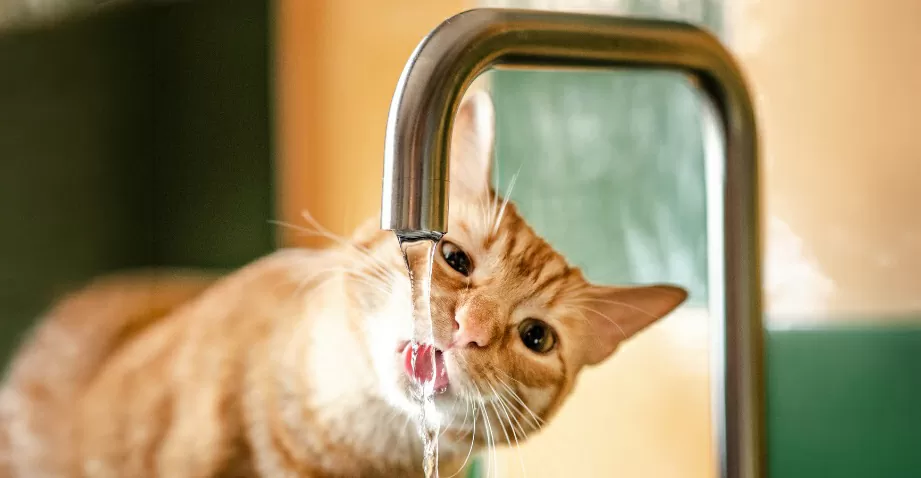
The Risks of Hard Water for Your Pets
Kidney and Urinary Issues
Excess minerals in hard water can contribute to the formation of urinary and kidney stones, especially in cats and older dogs. These conditions can lead to pain, infections, and complications if not treated promptly.
Skin Irritations and Dull Coat
Just like with humans, hard water can cause skin irritations. Your pet’s coat may become dry, dull, or itchy especially if they are frequently bathed with tap water.
Nutritional Deficiencies
High levels of calcium or magnesium can interfere with the absorption of other essential nutrients, potentially causing long-term deficiencies.
Signs Your Pet’s Water Might Be a Problem
Watch for these indicators:
Excessive hair loss or changes in coat texture
- Redness, itching, dandruff, or dry skin
- Urinary difficulties or painful urination
- Drinking less or refusing to drink water
These signs aren’t always caused by water, but if you live in a hard water area, it’s worth considering a connection.
Considering Bottled Water? Choose Carefully
If tap water isn’t suitable for your pet, bottled water might seem like a good alternative but not all bottled waters are ideal. Some contain high levels of minerals like sodium, which can put extra strain on your pet’s kidneys, especially in sensitive cats and dogs. It’s best to opt for low-mineral or lightly mineralized water that’s gentler on their system.
Moreover, while sometimes necessary, bottled water has a significant environmental footprint. Brits consume around 7.7 billion plastic water bottles every year, generating tons of plastic waste. To learn more about the environmental consequences of hard water, check out our dedicated article.
How to Improve Your Pet’s Water
Install a Water Softener
A water softener reduces calcium and magnesium levels in your water. In addition to protecting your plumbing, it provides your pets with softer water that’s better for their kidneys, skin, and overall health.
Prevention Means Caring
Hard water isn’t always immediately harmful, but its cumulative effects can impact your pet’s health. Irritated skin, urinary issues, or coat problems these are all signs not to ignore. Choosing softened water is a simple and effective way to reduce these risks. Your pets deserve high-quality water as pure as the care you give them.